
Marriage · Divorce · Mental Health
The Midlife Crisis
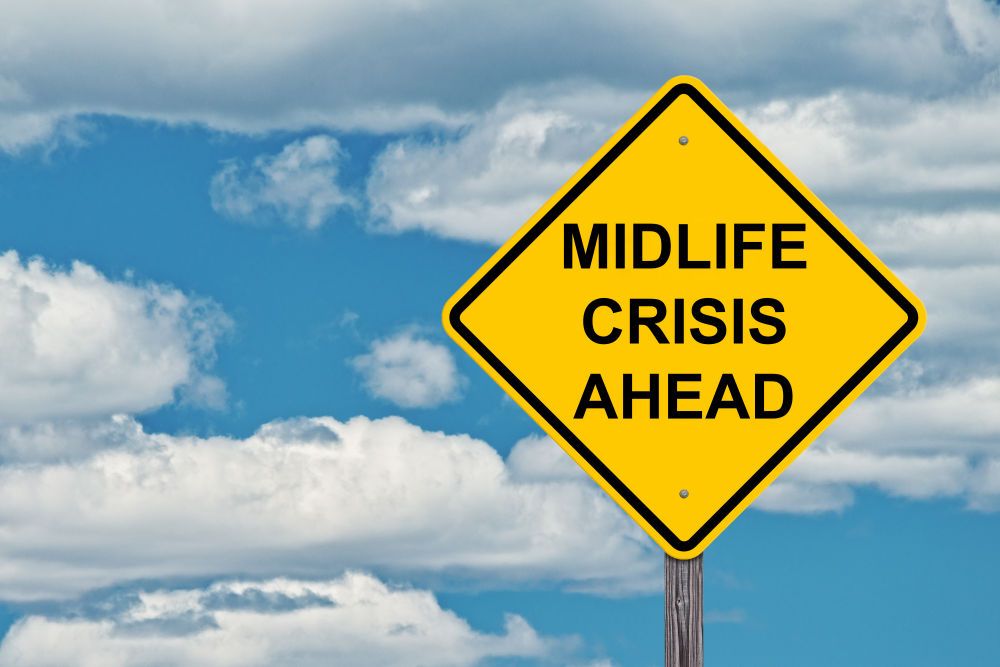
Ah, the midlife crisis, that enigmatic specter haunting our 40s and 50s, poised to transform us into impulsive adolescents with pricey sports cars and debatable hairdos. But before you rush out to dye your beard turquoise, let's dissect this phenomenon, because guess what? It's far more nuanced than Hollywood would have us believe.
Firstly, the midlife crisis isn't a clinically recognized condition. It's more of a cultural construct denoting a period of profound self-reflection and reevaluation that often occurs during middle age. Picture it as pressing the pause button on the narrative of your life and pondering, "Is this the storyline I truly desire?"
Now, how this existential query materializes can vary greatly between genders. Men often wrestle with concerns about career fulfillment, nostalgia for lost youth, and perhaps a lingering sense of underachievement. This might manifest in impromptu purchases of motorcycles, brief bursts of dedication to gym memberships, or an alarming attraction to extreme sports. Testosterone levels, which decline with age, can also play a part, prompting some men to seek out "youthful" experiences to affirm their vitality.
For women, the midlife crisis often revolves around shifts in identity and unmet aspirations. The societal pressure to maintain youthful appearances can be intense, while questions about career satisfaction and the delicate balance between work and family life can surface. The ticking biological clock, marked by menopause, introduces another layer of complexity. In response, impulsive actions might take the form of dramatic career changes, rekindling old romances, or immersing oneself in new artistic endeavors.
So, what's the scientific rationale behind this existential turmoil? Hormones, naturally. As we age, our endocrine system orchestrates a symphony of hormonal fluctuations akin to rearranging deck chairs on the Titanic. Estrogen and testosterone levels ebb and flow, impacting mood, energy levels, and even libido. These hormonal changes can amplify preexisting anxieties and foster a craving for novelty, leading to, shall we say, "interesting" life decisions.
But here's the crux: a midlife crisis needn't spell personal catastrophe. It can serve as a catalyst for personal growth, an opportunity to rewrite one's narrative and reconnect with oneself. Instead of opting for a scarlet convertible (unless you genuinely adore them), consider rediscovering neglected passions, exploring new interests, or fortifying relationships. Engage in meaningful conversations with your partner, friends, or a therapist – sometimes, simply being heard can make all the difference.
Remember, the midlife crisis isn't a one-size-fits-all menace. It's a bespoke journey, and the path you choose to tread is entirely yours to chart. So, take a deep breath, set aside the hair dye (unless it truly calls to you), and embrace the introspection. Who knows, you might emerge on the other side with a clearer vision and a newfound appreciation for the marvelous, tumultuous, ever-evolving odyssey that is your life.
And hey, if a scarlet convertible does happen to beckon, more power to you. Just don't forget the sunscreen.