
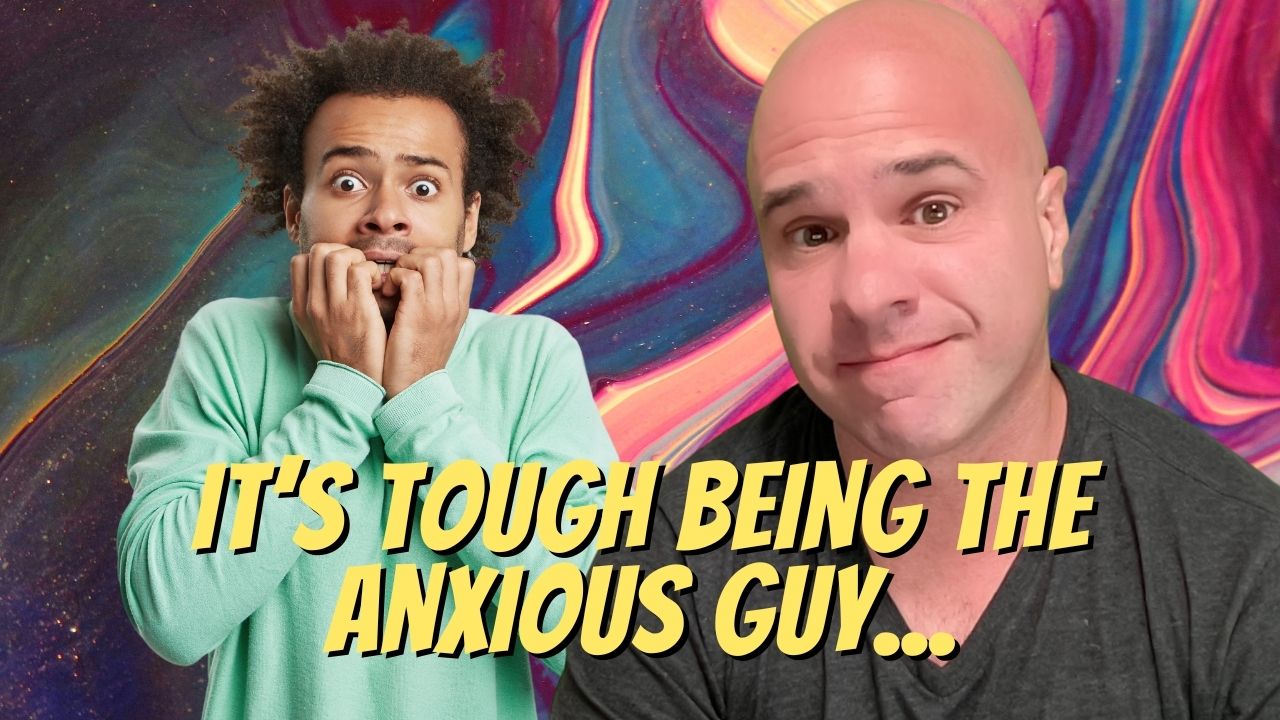
Understanding Anxious Attachment
"Anxious avoidant. That's your two opposite ends of the extreme. In the middle is what we all want. Secure."Anxious attachment is characterized by a strong desire for closeness and intimacy, coupled with a fear of rejection and abandonment. Those with anxious attachment often find themselves constantly seeking reassurance and validation from their partners. This attachment style can stem from past experiences of inconsistent or unreliable caregiving, leading to a deep-seated fear of being left alone.
"It feels terrible to stabilize, but distance is required to balance out."
While the desire for closeness is natural and valid, it is essential to strike a balance between intimacy and independence. Anxious attachment can create a sense of instability and unease, making it crucial to find ways to establish a more secure attachment style.
The Quest for Secure Attachment
"Anytime an anxious dude over here veers towards secure, it feels like asshole behavior. It feels like I'm being a royal dickhead. I'm avoiding, I'm abandoning, which is what you innately want to avoid, is being abandoned."The ultimate goal for individuals with anxious attachment is to move towards a more secure attachment style. Secure attachment is characterized by a healthy balance of intimacy and independence, where individuals feel comfortable and confident in their relationships. However, for someone with anxious attachment, veering towards secure attachment can feel uncomfortable and even selfish.
"Anxious dudes will read that and just say, dude, I can't just leave her. We got all these responsibilities with the kids. And besides, she'll think I'm cheating on her. She'll think I'm a bad man."
The fear of being perceived as abandoning or neglectful can hinder the progress towards secure attachment. It is crucial to recognize that having individual lives and pursuing personal interests is not only normal but also healthy for both partners in a relationship.
Embracing the Lover Side
"A lot of us anxious dudes, we have the provider side down pat. We're good with our kids. We're good with the domestic stuff. We got all that down, right? But we lose sight of the more attractive stuff, the lover side."In the pursuit of secure attachment, it is essential for individuals with anxious attachment to embrace their "lover side." This refers to cultivating the erotic and passionate aspects of their personality. Often, anxious individuals excel in the role of a provider and caretaker but neglect their own desires and needs for intimacy.
"You need to get the fuck out of Dodge and get away from her. Get out of the house, go do your own thing. Stop being just so hyper-attached to her and hanging on her, and it's all about her and the kids."
Creating a healthy and attractive dynamic in a relationship requires individuals with anxious attachment to prioritize their own independence and personal interests. Taking time for oneself and pursuing individual passions can not only enhance personal growth but also contribute to a more balanced and fulfilling relationship.
The Normalcy and Attractiveness of Independence
"A lot of stuff that's normal and healthy is attractive. Funny how that works."Contrary to anxious thoughts and fears, having independent lives and pursuing personal interests is not a threat to a relationship. In fact, it can be incredibly attractive and beneficial for both partners. Independence allows individuals to maintain a sense of self and personal fulfillment, which ultimately contributes to a healthier and more secure attachment.
"People have their own lives. It's okay. And she should, too. There should be plenty of times where she said, 'You got the kiddos because I'm running off to fill in the blank.'"
Encouraging and supporting each other's independence fosters a sense of trust and security within a relationship. It is essential to recognize that both partners have their own desires, interests, and responsibilities outside of the relationship. Embracing this reality can lead to a more balanced and fulfilling partnership.
Conclusion: Striving for Balance and Security
In navigating the complexities of anxious attachment, it is crucial to strive for balance and security. While the desire for closeness and reassurance is valid, it is equally important to cultivate independence and personal growth. Moving towards a more secure attachment style requires individuals with anxious attachment to embrace their "lover side" and prioritize their own needs and desires.By creating a healthy dynamic that allows for individual lives and pursuits, both partners can experience personal growth and fulfillment. It is essential to remember that independence and personal interests are not threats to a relationship but rather contribute to its strength and longevity.
In conclusion, finding balance and security in relationships is a journey that requires self-reflection, open communication, and a willingness to challenge ingrained attachment patterns. By embracing the lover side, prioritizing independence, and recognizing the normalcy and attractiveness of personal growth, individuals with anxious attachment can cultivate healthier and more fulfilling relationships.