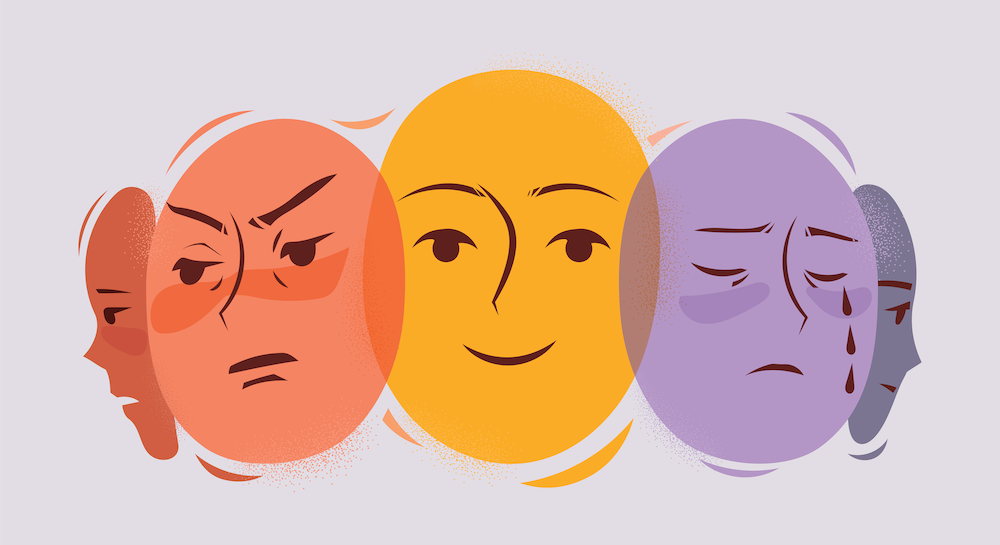
Bipolar disorder, once commonly associated with younger age groups, is increasingly being recognized as a condition that can manifest later in life. While often overlooked in discussions about mental health in older adults, bipolar disorder can significantly impact individuals during their middle and later years. Moreover, its intersection with midlife crisis and infidelity sheds light on the complexity of mental health challenges in this demographic.
Bipolar disorder, characterized by extreme mood swings ranging from manic highs to depressive lows, can present unique challenges when it emerges later in life. Symptoms such as increased irritability, impulsivity, and reckless behavior may be misconstrued as typical aspects of aging or midlife crisis, leading to misdiagnosis or undertreatment. The onset of bipolar disorder in later years can be triggered by various factors, including genetic predisposition, life stressors, and hormonal changes.
Midlife crisis, often portrayed as a period of self-reflection and reassessment typically occurring in one's 40s or 50s, can coincide with the emergence of bipolar symptoms. The tumultuous nature of bipolar mood swings may exacerbate feelings of dissatisfaction and restlessness commonly associated with midlife crisis. Individuals experiencing a midlife crisis may seek out thrill-seeking behaviors or engage in impulsive actions, including infidelity, as a means of coping with their inner turmoil.
Infidelity, characterized by engaging in romantic or sexual relationships outside of a committed partnership, can be intertwined with both bipolar disorder and midlife crisis. For individuals grappling with undiagnosed or untreated bipolar disorder, reckless behavior during manic episodes may lead to infidelity, driven by heightened impulsivity and a diminished sense of consequences. Similarly, those experiencing a midlife crisis may seek validation or excitement through extramarital affairs, especially if they feel unfulfilled or dissatisfied in their primary relationship.
The connection between bipolar disorder, midlife crisis, and infidelity underscores the importance of early detection and comprehensive mental health support for older adults. Recognizing the signs of bipolar disorder, such as drastic changes in mood, energy levels, and behavior, can facilitate timely intervention and appropriate treatment. Additionally, addressing underlying issues contributing to midlife crisis, such as unresolved conflicts or unmet emotional needs, can mitigate the risk of impulsive behaviors like infidelity.
Treatment for bipolar disorder in later life often involves a combination of medication, psychotherapy, and lifestyle modifications tailored to the individual's unique needs and circumstances. Psychoeducation about bipolar disorder and coping strategies for managing mood fluctuations can empower older adults to regain stability and improve their overall quality of life. Moreover, couples therapy can facilitate communication and reconciliation for those navigating the aftermath of infidelity within their relationship.
In conclusion, bipolar disorder's emergence later in life presents distinct challenges that intersect with concepts like midlife crisis and infidelity. By raising awareness and promoting holistic approaches to mental health care for older adults, we can better support individuals grappling with bipolar disorder and its associated complexities. Through early intervention, effective treatment, and compassionate support, older adults can navigate the complexities of bipolar disorder and reclaim agency over their mental well-being.
Marriage · Dating · Mental Health
Exploring Bipolar Disorder's Impact Later in Life: Unveiling the Connection to Midlife Crisis and Infidelity